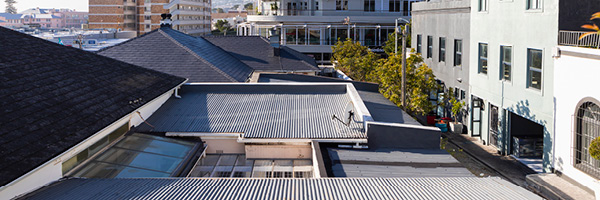
Commercial roofs are a major investment, and the cost of having them repaired or replaced can add up quickly. Small issues can snowball into expensive repairs if they’re missed, which is why it’s important to stay on top of your business’ roof maintenance. Participating in a roof maintenance program through a roofing company in your area can help simplify the process by setting up regular maintenance inspections – but not all programs are created equal.
We’re going to walk you through what qualities to look for and avoid in a commercial roof maintenance program, basic roof maintenance tips and good questions to ask before hiring a roofing company.
The green flags
Peter Mull, Risk Control Technical Design Manager for Grange Insurance, an affiliate of Integrity Insurance, says a good roof maintenance program focuses more on safety and prevention and less on showing up only after emergencies.
A solid roof maintenance program includes:
- Regularly scheduled inspections
- Detailed documentation and reporting
- A preventative approach
- Clear communication and transparency
- Experience with similar buildings
Regularly scheduled inspections
A newer roof should be inspected at least twice a year, typically in Spring and Fall, or after severe weather events like hail, high winds or heavy snow and ice. Mull says if your building’s roof is already through around 85% of its design life, you should have it inspected more often.
Detailed documentation and reporting
A good inspection is thorough and organized. The roofing company should provide written reports with photos and documented findings, offer repair recommendations prioritized by severity and should have a well-maintained history of records.
A preventative approach
A commercial roof maintenance program should ensure all parts of the roof are inspected, not just the roofing material itself. This includes addressing drainage concerns, monitoring flashing, checking seams and looking for equipment penetrations. Thoroughly inspecting the roof allows you to catch these small deficiencies before they turn into much bigger—and more expensive—issues.
Clear communication and transparency
Commercial roofing companies should be able to help building owners understand the condition of their roof and provide realistic timelines for repairs that should be addressed now versus what can be planned for later.
Experience with similar buildings
Every roof is different from the last, and different roofing systems require different expertise. Roof technicians should be trained and experienced on the specific roof system they’re working on that day. The roof on an office building can have entirely different concerns than a warehouse or manufacturing property.
The red flags
Mull says it’s better to avoid a roof maintenance program that may appear unorganized, sale-focused and reactionary.
Here are some things to be weary of when shopping around for a commercial roof maintenance program to join:
- Only showing up after you find a leak
- Pressure to replace the roof immediately
- No maintenance plan or inspection schedule
- No one to vouch for them
Only showing up after you find a leak
A roofing company should be proactive; not reactive. Emergency repairs are often more expensive and can often be prevented in the first place with regular inspections and maintenance.
Pressure to replace the roof immediately
A roofing company should not be recommending a full roof replacement without providing evidence or discussing repair alternatives. They also shouldn’t be using high-pressure sales tactics to try and upsell you. Replacement may not always be necessary, and when it is, they should be able to prove it to you.
No maintenance plan or inspection schedule
A lack of structure can lead to missed issues. Inspections should be consistent to avoid bigger issues in the future.
No one to vouch for them
Roofing companies and contractors should be able to provide references and certificates of insurance.

Learn about our
Business Insurance
Questions to ask before joining a roof maintenance program
The answers to these should instill confidence that the company or contractor is focused on long-term asset management rather than selling repairs.
- How long have you been performing commercial roof maintenance?
- Do you specialize in my type of roofing system?
- Are technicians manufacturer-certified?
- How often will inspections be performed?
- Will I receive written reports with photographs?
- Can you provide references from similar businesses?
Advice for extending the life of your building’s roof
Mull has a few tips for keeping your roof in good shape and mitigating any issues that pop up along the way.
- Treat your roof like other critical equipment
- Budget for eventual roof replacement
- Keep good documentation
Treat your roof like other critical equipment
Most businesses have coverage for vehicles, boilers, HVAC systems, production machinery, and more. Roofs should be treated the same. A modest investment in routine inspections and repairs can help prevent major losses and protect your business.
Budget for eventual roof replacements
Commercial roofs unfortunately do not last forever and replacing them can be very expensive. Mull recommends having a capital savings plan for roof replacement timed for the end of service life. This can help reduce financial impact and building owners won’t be caught off guard.
Keep good documentation
Inspection reports, photos, invoices, repair records and other documentation demonstrate sound property management practices and could help support claims investigations. This also can provide valuable insight when evaluating whether a roof has reached the end of its service life.
All in all, a strong commercial roof maintenance program is proactive, documented and transparent. Prevention is key when it comes to extending the life of your roof and protecting your business. Look for commercial roof maintenance programs that focus on preventing issues rather than reacting to them.
The information provided is for general informational and educational purposes only. It does not constitute legal, risk management, or insurance advice. Implementation of any suggestions does not guarantee coverage, prevent loss, or modify the terms, conditions, or exclusions of any insurance policy. Coverage is determined solely by the terms of the applicable policy.